Ever wondered what exactly a ‘lead’ is in today’s fast-paced digital world? The leads definition isn’t just marketing jargon—it’s the lifeblood of sales and growth. Let’s break it down in simple, powerful terms.


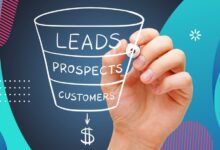
Leads Definition: What Exactly Is a Lead?

At its core, the leads definition refers to a person or organization that has shown interest in your product or service. This interest can come from various actions—filling out a form, subscribing to a newsletter, downloading a whitepaper, or even engaging with your content on social media. A lead is not yet a customer, but they are a potential one.
Why the Leads Definition Matters in Business
Understanding the precise leads definition is crucial because it shapes how companies approach marketing and sales. Without knowing who qualifies as a lead, businesses risk wasting time and resources on uninterested audiences. A clear definition helps teams identify, track, and convert prospects efficiently.
- Leads act as the starting point of the sales funnel.
- They help measure marketing campaign effectiveness.
- They enable better segmentation and targeting.
“A lead is the first whisper of opportunity in the marketplace.” — Marketing Strategist, Jane Doe
Common Misconceptions About the Leads Definition
Many people confuse leads with customers or assume all leads are equally valuable. In reality, not every lead will convert. Some may be curious browsers, while others are ready to buy. The key is distinguishing between different types of leads based on their behavior and intent.
- Myth: All website visitors are leads. (False—only those who take a defined action count.)
- Myth: More leads always mean better results. (Quality trumps quantity.)
- Myth: Leads don’t need immediate follow-up. (Delayed response drastically reduces conversion chances.)
7 Key Types of Leads Based on the Leads Definition
Not all leads are created equal. The leads definition evolves depending on where a prospect stands in the buyer’s journey. Recognizing these variations allows businesses to tailor their approach and boost conversion rates.
1. Cold Leads
Cold leads are individuals or companies with little to no prior interaction with your brand. They may have been acquired through purchased lists or broad advertising campaigns. According to Salesforce, cold leads typically have the lowest conversion rate because there’s no established trust or interest.
- Often unaware of your brand.
- Require significant nurturing before considering a purchase.
- Best approached with educational content and soft CTAs.
2. Warm Leads
Warm leads have engaged with your brand in some way—perhaps by visiting your website multiple times, downloading a guide, or attending a webinar. They fit the leads definition more closely because they’ve shown active interest.
- Have demonstrated intent through specific actions.
- More receptive to sales outreach than cold leads.
- Often nurtured via email sequences and retargeting ads.
“Warm leads are like seeds already planted—they just need the right conditions to grow.”
3. Hot Leads
Hot leads are those ready to buy. They’ve likely requested a demo, contacted sales, or added a product to their cart. These leads fall squarely within the most actionable part of the leads definition.
- High intent and urgency.
- Should be prioritized for immediate follow-up.
- Often handled by sales teams rather than marketing.
Leads Definition in Sales vs. Marketing
The interpretation of the leads definition can vary between departments. While marketing focuses on generating interest, sales looks for readiness to purchase. This difference impacts how leads are scored, qualified, and handed off.
Marketing Qualified Leads (MQLs)
Marketing Qualified Leads (MQLs) are contacts that marketing teams believe are more likely to become customers based on engagement metrics. These might include downloading a pricing sheet, attending a live stream, or spending significant time on a product page.
- Defined by behavioral data (e.g., page visits, content downloads).
- Not yet ready for direct sales contact.
- Require further nurturing before passing to sales.
Sales Qualified Leads (SQLs)
Sales Qualified Leads (SQLs) are MQLs that have been vetted and accepted by the sales team as ready for direct outreach. They meet specific criteria such as budget, authority, need, and timeline (BANT).
- Have expressed buying intent (e.g., requested a quote).
- Are considered high-potential opportunities.
- Trigger immediate sales engagement.
“The gap between MQL and SQL is where many companies lose momentum.” — HubSpot State of Inbound Report
How the Leads Definition Applies Across Industries
The leads definition isn’t one-size-fits-all. Different industries interpret and use leads in unique ways based on their sales cycles, customer behavior, and business models.
Real Estate Leads
In real estate, a lead could be someone who fills out a home valuation form or attends an open house. These leads are often generated through online listings, social media ads, or referrals. According to National Association of Realtors, digital lead generation has become the primary source of new clients for agents.
- Highly dependent on location and timing.
- Often require rapid follow-up (within minutes).
- Can be categorized as buyer, seller, or renter leads.
E-commerce Leads
E-commerce businesses define leads as users who show purchase intent—such as adding items to a cart, creating an account, or subscribing to a newsletter. These actions signal interest and allow for personalized retargeting.
- Cart abandonment is a major source of warm leads.
- Email capture is critical for lead nurturing.
- Behavioral tracking tools (like Google Analytics) help refine the leads definition.
B2B SaaS Leads
In the B2B SaaS space, leads are often companies or decision-makers who sign up for free trials, request demos, or attend product webinars. The leads definition here emphasizes organizational fit and technical compatibility.
- Lead scoring is commonly used to prioritize outreach.
- Free trials act as powerful lead qualification tools.
- Integration with CRM systems ensures seamless handoff to sales.
Tools and Technologies That Shape the Modern Leads Definition
Technology has redefined how we understand and manage leads. From automation to AI, modern tools allow businesses to refine the leads definition with unprecedented precision.
Customer Relationship Management (CRM) Systems
CRMs like Zoho CRM and Salesforce are central to managing leads. They store contact information, track interactions, and help sales teams prioritize follow-ups based on lead score and behavior.
- Centralize lead data for easy access.
- Automate workflows like email follow-ups.
- Integrate with marketing platforms for seamless tracking.
Marketing Automation Platforms
Tools like HubSpot, Marketo, and Mailchimp allow marketers to nurture leads automatically. They use triggers and workflows to send personalized content based on user behavior, refining the leads definition over time.
- Send targeted emails based on lead actions.
- Score leads using engagement metrics.
- Segment audiences for better conversion.
“Automation doesn’t replace human touch—it enhances it by delivering the right message at the right time.”
Lead Generation Software
Platforms like Leadpages, Unbounce, and OptinMonster help businesses capture leads through high-converting landing pages and pop-ups. These tools make it easier to define and collect leads by optimizing conversion paths.
- Create dedicated landing pages for specific campaigns.
- A/B test elements to improve lead capture rates.
- Integrate with CRMs and email tools for real-time syncing.
The Evolution of the Leads Definition Over Time
The concept of a lead has evolved dramatically—from simple contact lists to data-rich profiles shaped by digital behavior. Understanding this evolution helps businesses stay ahead in competitive markets.
Pre-Digital Era: Leads as Phone Calls and Referrals
Before the internet, leads were often generated through cold calling, trade shows, or word-of-mouth referrals. The leads definition was narrow and largely based on direct human interaction.
- Limited scalability due to manual processes.
- High reliance on personal networks.
- Minimal tracking or analytics available.
Rise of the Internet: Email and Web Forms
The advent of websites and email marketing expanded the leads definition to include anyone who submitted their information online. This era saw the rise of lead magnets like free guides and webinars.
- Massive increase in lead volume.
- Need for better filtering and qualification.
- Early adoption of lead scoring models.
Modern Age: AI, Predictive Analytics, and Hyper-Personalization
Today, AI-driven tools analyze user behavior across platforms to predict which leads are most likely to convert. The leads definition now includes not just who someone is, but what they’re likely to do.
- Predictive lead scoring uses machine learning.
- Behavioral data informs real-time personalization.
- Account-Based Marketing (ABM) targets entire organizations, not just individuals.
Best Practices for Defining and Managing Leads
To maximize ROI, businesses must adopt best practices that align with the modern leads definition. This includes clear qualification criteria, consistent follow-up, and continuous optimization.
Create a Clear Lead Qualification Framework
Establishing a standardized process for identifying what constitutes a lead is essential. Use frameworks like BANT (Budget, Authority, Need, Timeline) or CHAMP (Challenges, Authority, Money, Prioritization) to ensure consistency across teams.
- Define what actions qualify someone as a lead.
- Set thresholds for MQL and SQL status.
- Align marketing and sales on shared definitions.
Implement Lead Scoring
Lead scoring assigns numerical values to prospects based on their behavior and profile. This helps prioritize high-value leads and improves conversion efficiency.
- Positive points for engagement (e.g., visiting pricing page).
- Negative points for inactivity or mismatched demographics.
- Automated scoring via CRM integrations.
“Companies using lead scoring see up to 200% more sales productivity.” — Forrester Research
Nurture Leads with Personalized Content
Not all leads are ready to buy immediately. Effective nurturing keeps your brand top-of-mind through relevant, timely content that addresses their pain points.
- Use email drip campaigns to guide leads through the funnel.
- Deliver case studies, testimonials, and product demos.
- Adapt messaging based on lead stage and industry.
Common Challenges in Applying the Leads Definition
Even with advanced tools, many organizations struggle to apply the leads definition effectively. Recognizing these challenges is the first step toward solving them.
Lead Quality vs. Quantity Debate
Many companies focus on generating large volumes of leads without ensuring quality. This leads to wasted effort and poor conversion rates. A refined leads definition should emphasize relevance over volume.
- Prioritize intent-based actions over passive engagement.
- Use negative scoring to filter out unqualified leads.
- Regularly audit lead sources for performance.
Siloed Marketing and Sales Teams
When marketing and sales don’t agree on what a lead is, handoffs fail. This misalignment results in missed opportunities and frustration on both sides.
- Hold regular alignment meetings between departments.
- Create a Service Level Agreement (SLA) for lead handoff.
- Use shared dashboards to track lead progress.
Over-Reliance on Automation Without Human Touch
While automation is powerful, overusing it can make communication feel impersonal. The best strategies blend technology with genuine human interaction.
- Automate initial follow-ups but switch to personal calls for hot leads.
- Train sales reps to build rapport, not just pitch.
- Use chatbots for FAQs but offer live support options.
What is the basic leads definition?
The basic leads definition is a person or organization that has shown interest in your product or service by taking a specific action, such as filling out a form or downloading content. It marks the beginning of a potential customer relationship.
What’s the difference between a lead and a prospect?
A lead is anyone who has expressed initial interest, while a prospect is a qualified lead that meets specific criteria (like budget and need) and is actively being pursued by sales.
How do you qualify a lead?
Leads are qualified using frameworks like BANT (Budget, Authority, Need, Timeline) or through lead scoring systems that evaluate behavior and demographic data to determine readiness to buy.
Why is lead nurturing important?
Lead nurturing builds trust and keeps your brand top-of-mind. Most leads aren’t ready to buy immediately—consistent, personalized communication increases the chances of conversion over time.
Can a lead become disqualified?
Yes. A lead can become disqualified if they lose interest, lack budget, or no longer fit your target profile. Regular lead audits help maintain a healthy pipeline.
Understanding the leads definition is more than just knowing a term—it’s about building a foundation for sustainable growth. From identifying different types of leads to leveraging technology and overcoming common challenges, a clear and strategic approach transforms interest into revenue. Whether you’re in real estate, e-commerce, or SaaS, aligning your team around a precise leads definition will drive better results, improve conversion rates, and create stronger customer relationships. The future of business growth starts with one simple question: Who is your lead?
Further Reading:
