Looking for high-quality leads for EKG services? You’re not alone. In today’s competitive healthcare market, generating consistent, reliable leads for EKG monitoring and diagnostic services is essential for growth, patient outreach, and practice sustainability. This guide reveals proven strategies to attract, convert, and retain valuable EKG leads.
Understanding Leads for EKG: What They Are and Why They Matter

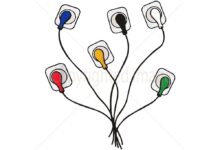
Before diving into strategies, it’s crucial to understand what exactly we mean by ‘leads for EKG.’ These are potential patients or healthcare clients who have shown interest in electrocardiogram (EKG) services—whether for diagnostic testing, remote monitoring, or preventive cardiac screening. These leads can come from various sources, including online inquiries, referrals, or digital marketing campaigns.
Definition of EKG Leads in Healthcare Marketing
In the context of healthcare marketing, leads for EKG refer to individuals or organizations seeking EKG-related services. This could include patients needing a diagnostic test, clinics looking to outsource EKG monitoring, or wellness centers offering cardiac screenings. Each lead represents a potential conversion—either into a patient, a partner, or a long-term client.
According to the American Heart Association, over 10 million EKG tests are performed annually in the U.S. alone, highlighting the massive demand for cardiac diagnostics. Capturing even a fraction of this market requires a strategic approach to lead generation.
Why EKG Leads Are Critical for Medical Practices
For cardiology clinics, diagnostic centers, and telehealth providers, generating consistent leads for EKG is directly tied to revenue and patient volume. Without a steady flow of qualified leads, even the most advanced EKG equipment and skilled technicians can sit underutilized.
- Leads drive patient acquisition and retention.
- They support expansion into new markets or service lines.
- High-quality leads improve ROI on marketing spend.
“In healthcare, a lead isn’t just a name—it’s a person with a health concern that your service can resolve.” — Healthcare Marketing Institute
Top 7 Strategies to Generate High-Quality Leads for EKG
Generating leads for EKG isn’t about casting a wide net—it’s about precision, relevance, and trust. The following seven strategies have been proven effective across clinics, telemedicine platforms, and diagnostic labs aiming to scale their EKG services.
1. Optimize Your Website for Local SEO
Most patients search for EKG services locally—”EKG near me,” “heart test clinic,” or “ECG test in [city].” Optimizing your website for local search ensures you appear in these high-intent queries.
- Claim and verify your Google Business Profile.
- Include location-specific keywords like ‘leads for EKG in Chicago’ or ‘EKG testing in Miami.’
- Ensure your NAP (Name, Address, Phone) is consistent across directories.
A study by Moz found that 46% of all Google searches have local intent. If your EKG clinic isn’t optimized for local SEO, you’re missing out on a massive pool of potential leads.
2. Leverage Telehealth Platforms for Remote EKG Monitoring
With the rise of remote patient monitoring (RPM), telehealth has become a goldmine for generating leads for EKG. Platforms like Current Health and BioTelemetry allow providers to offer continuous cardiac monitoring, attracting patients with chronic conditions like atrial fibrillation.
- Partner with RPM platforms to expand your reach.
- Offer free trials or risk assessments to capture leads.
- Use patient testimonials to build credibility.
According to CDC, nearly 3% of U.S. adults have atrial fibrillation, many of whom require regular EKG monitoring. Positioning your service as a remote solution can attract this high-value demographic.
3. Run Targeted Facebook and Google Ads
Paid advertising remains one of the fastest ways to generate leads for EKG. Both Google Ads and Facebook Ads allow hyper-targeting based on demographics, health conditions, and search behavior.
- Use Google Search Ads for keywords like ‘EKG test cost,’ ‘ECG machine for rent,’ or ‘instant EKG results.’
- Run Facebook lead ads targeting users interested in heart health, fitness trackers, or senior care.
- Include strong CTAs like ‘Get Your EKG Done Today’ or ‘Free Heart Risk Assessment.’
For example, a clinic in Texas reported a 300% increase in EKG leads after launching a Google Ads campaign focused on ‘same-day EKG testing.’ The key was using negative keywords to filter out irrelevant traffic and focusing on high-intent phrases.
4. Create Educational Content That Converts
Patients don’t just want tests—they want answers. Creating informative content around heart health, EKG interpretation, and symptom awareness positions your brand as a trusted authority and naturally generates leads for EKG.
- Write blog posts like ‘What Does an Abnormal EKG Mean?’ or ‘When Should You Get an EKG?’
- Produce short videos explaining how EKGs work.
- Offer downloadable guides in exchange for email sign-ups.
A case study from a cardiology group in Florida showed that publishing weekly heart health articles increased organic traffic by 65% and generated over 200 qualified EKG leads in three months.
5. Partner with Primary Care Physicians and Specialists
One of the most reliable sources of leads for EKG is physician referrals. Building relationships with primary care doctors, endocrinologists, and geriatricians can create a steady stream of patient referrals.
- Host lunch-and-learn sessions to educate referring physicians.
- Provide easy referral forms and fast turnaround times.
- Offer co-branded patient education materials.
As noted by the American Academy of Family Physicians, over 60% of EKG referrals originate from primary care settings. Being the go-to diagnostic partner increases your visibility and trust within the medical community.
6. Utilize Email Marketing for Lead Nurturing
Not all leads convert immediately. Many patients need time to decide. Email marketing allows you to nurture these leads with valuable information, reminders, and special offers—keeping your EKG service top-of-mind.
- Send a welcome series explaining the EKG process.
- Share heart-healthy tips and seasonal risk factors (e.g., cold weather and heart strain).
- Include patient success stories and facility highlights.
A clinic in Colorado used a 5-email nurture sequence and saw a 40% increase in booked EKG appointments from previously inactive leads. The key was personalization and timing—emails were triggered based on user behavior, such as visiting the EKG page but not booking.
7. Offer Free Screenings and Community Events
Community engagement is a powerful way to generate leads for EKG while building goodwill. Hosting free heart health screenings at senior centers, gyms, or corporate offices puts your service directly in front of potential patients.
- Advertise events through local media and social media.
- Collect contact information for follow-up.
- Provide immediate EKG results with a consultation offer.
One mobile EKG provider reported acquiring over 1,200 new leads in six months by touring retirement communities with free screening vans. The personal touch and instant value made conversion rates exceptionally high.
How to Qualify and Convert EKG Leads Effectively
Generating leads is only half the battle. The real challenge lies in qualifying and converting them into paying patients or long-term clients. Not all leads are created equal—some are ready to book, while others need education and nurturing.
Scoring Leads Based on Intent and Urgency
Implement a lead scoring system to prioritize follow-up. Factors to consider include:
- Source of lead (e.g., Google Ads vs. blog comment).
- Pages visited (e.g., pricing page vs. general info).
- Form submissions (e.g., ‘request a quote’ vs. ‘download guide’).
A high-intent lead might be someone who filled out a ‘book EKG test’ form after viewing the pricing page. A low-intent lead may have only subscribed to a newsletter. Focus your immediate efforts on high-scoring leads.
Using CRM Tools to Track and Manage Leads
Customer Relationship Management (CRM) systems like HubSpot, Salesforce, or Cliniko can automate lead tracking, follow-ups, and appointment scheduling. These tools ensure no lead falls through the cracks.
- Automate email responses based on lead behavior.
- Schedule reminders for phone follow-ups.
- Integrate with your EHR system for seamless patient onboarding.
A study by Salesforce found that organizations using CRM see a 29% increase in sales performance. For EKG providers, this translates to faster conversions and better patient experiences.
Common Mistakes to Avoid When Generating Leads for EKG
Even well-intentioned campaigns can fail if common pitfalls aren’t avoided. Here are the top mistakes healthcare providers make when pursuing leads for EKG—and how to avoid them.
Ignoring Mobile Optimization
Over 60% of health-related searches happen on mobile devices. If your website isn’t mobile-friendly, you’re losing leads. Ensure your booking forms, contact pages, and content load quickly and function smoothly on smartphones.
Google’s mobile-first indexing means your site’s mobile version is what ranks. Use tools like Google’s Mobile-Friendly Test to audit your site regularly.
Using Generic Messaging Instead of Patient-Centric Language
Avoid technical jargon like ’12-lead electrocardiography’ in your ads and landing pages. Instead, speak to patient concerns: ‘Check Your Heart Health in 15 Minutes’ or ‘Detect Heart Issues Early.’
- Focus on benefits, not features.
- Use empathy-driven language.
- Highlight speed, comfort, and accuracy.
“People don’t buy EKGs—they buy peace of mind.” — Healthcare UX Expert
Skipping Follow-Up with Warm Leads
Many providers generate leads but fail to follow up promptly. Research shows that leads contacted within 5 minutes are 8x more likely to convert than those contacted after 30 minutes.
- Set up instant SMS or email notifications for new leads.
- Assign a dedicated staff member to handle inquiries.
- Use chatbots for after-hours responses.
The Role of Technology in Scaling Leads for EKG
Technology isn’t just a tool—it’s a force multiplier for lead generation. From AI-powered chatbots to wearable EKG devices, modern tech is reshaping how providers attract and engage patients.
AI Chatbots for Instant Lead Engagement
Chatbots on your website can answer common questions, schedule appointments, and capture lead information 24/7. Platforms like Drift or Ada integrate seamlessly with healthcare websites.
- Program responses for FAQs like ‘How much does an EKG cost?’
- Trigger chatbots when users linger on the EKG page.
- Pass qualified leads directly to your CRM.
A cardiology clinic in California reduced lead response time from 12 hours to under 2 minutes using an AI chatbot, resulting in a 50% increase in appointment bookings.
Wearable EKG Devices as Lead Magnets
Devices like the Apple Watch, KardiaMobile, and AliveCor are making EKGs more accessible than ever. While they don’t replace clinical tests, they can serve as lead generators.
- Offer interpretation services for at-home EKG readings.
- Create a landing page: ‘Upload Your EKG for Expert Review.’
- Partner with wearable brands for co-marketing.
According to a NIH study, consumer EKG devices have a 90% sensitivity for detecting atrial fibrillation. Positioning your clinic as the next step after a home reading creates a natural conversion path.
Measuring the Success of Your EKG Lead Generation Campaigns
Without tracking, you can’t optimize. Measuring key performance indicators (KPIs) helps you understand what’s working and where to invest more resources.
Key Metrics to Track
To evaluate the effectiveness of your leads for EKG strategy, monitor these metrics:
- Cost Per Lead (CPL): How much you spend to acquire each lead.
- Conversion Rate: Percentage of leads that become patients.
- Lead-to-Appointment Time: How quickly leads book a test.
- Return on Ad Spend (ROAS): Revenue generated per dollar spent on ads.
For example, if your Google Ads campaign costs $1,000 and generates 50 leads, your CPL is $20. If 20 of those become patients paying $150 each, your ROAS is 300%—a strong indicator of campaign health.
Tools for Analytics and Reporting
Leverage tools like Google Analytics, Meta Business Suite, and CRM dashboards to get real-time insights.
- Set up conversion tracking for form submissions and calls.
- Use UTM parameters to track campaign sources.
- Generate monthly reports to identify trends.
Regular reporting allows you to pivot quickly—shifting budget from underperforming channels to high-converting ones.
Future Trends in EKG Lead Generation
The landscape for leads for EKG is evolving rapidly. Staying ahead of trends ensures your practice remains competitive and visible.
Integration with AI-Powered Diagnostics
AI is now being used to interpret EKGs with high accuracy. Companies like Eko and Bay Labs offer AI-assisted analysis, which can be a unique selling point in your marketing.
- Highlight AI integration as a sign of innovation and precision.
- Use it to reduce turnaround time for results.
- Market it as ‘Advanced EKG with AI Accuracy.’
Growth of Preventive Cardiac Screening Programs
Employers and insurance companies are increasingly investing in preventive care. Partnering with corporate wellness programs can open new channels for leads for EKG.
- Offer bulk pricing for employee screenings.
- Develop branded wellness packages.
- Attend health fairs and industry expos.
A report by the World Economic Forum predicts that preventive healthcare spending will grow by 8% annually through 2030. Positioning your EKG service as part of a proactive health strategy aligns with this trend.
What are leads for EKG?
Leads for EKG are individuals or organizations who have expressed interest in electrocardiogram services, such as diagnostic testing, remote monitoring, or cardiac screening. These leads can come from online searches, referrals, ads, or community events and represent potential patients or clients for medical providers.
How can I generate more leads for EKG services?
You can generate more leads by optimizing for local SEO, running targeted Google and Facebook ads, creating educational content, partnering with physicians, hosting community screenings, using email marketing, and leveraging telehealth platforms. Combining digital and offline strategies yields the best results.
What’s the best way to convert EKG leads into patients?
The best way to convert leads is through prompt follow-up, personalized communication, and clear value propositions. Use CRM tools to track leads, score them by intent, and nurture them with relevant information. Offering fast appointments and transparent pricing also boosts conversion rates.
Are wearable EKG devices a threat or opportunity for clinics?
They are an opportunity. While consumer devices like the Apple Watch provide preliminary data, they often prompt users to seek professional evaluation. Clinics can capitalize on this by offering expert interpretation services and follow-up testing, turning at-home users into clinical leads.
How much does it cost to acquire an EKG lead?
The cost varies by channel. Google Ads may cost $15–$50 per lead, while organic content or referrals can be nearly free. Community events might cost $5–$10 per lead when factoring in staffing and materials. Tracking your Cost Per Lead (CPL) helps optimize marketing spend.
Generating high-quality leads for EKG is no longer optional—it’s essential for survival and growth in today’s healthcare landscape. By combining digital marketing, community engagement, technology, and strategic partnerships, you can build a sustainable pipeline of patients and clients. The key is consistency, measurement, and a patient-centered approach. Start implementing these strategies today, and watch your EKG practice thrive.
Further Reading:
