Want to grow your business? Start with leads. These potential customers are the lifeblood of sales and marketing. In this guide, we’ll uncover proven strategies, tools, and mindsets to generate, nurture, and convert high-quality leads—faster and smarter than ever before.

What Are Leads and Why They Matter

At the heart of every successful business lies a steady stream of leads. But what exactly are leads, and why do they hold such immense value in today’s competitive marketplace? Understanding this foundational concept is the first step toward building a sustainable growth engine.
Defining Leads in Modern Marketing
In marketing terms, a lead is any individual or organization that has shown interest in your product or service. This interest can be expressed in various ways—filling out a contact form, downloading an eBook, subscribing to a newsletter, or requesting a demo. Unlike random website visitors, leads have taken a deliberate action that signals intent.
Leads are not yet customers, but they represent opportunities. They sit at the top or middle of the sales funnel, waiting to be nurtured and converted. The quality of these leads—how relevant, engaged, and sales-ready they are—directly impacts conversion rates and revenue.
Types of Leads: MQLs vs SQLs
Not all leads are created equal. Businesses typically categorize them based on readiness to buy:
- Marketing Qualified Leads (MQLs): These are leads who have engaged with your marketing efforts—such as opening emails, clicking links, or attending webinars—but aren’t yet ready for direct sales outreach.
- Sales Qualified Leads (SQLs): These leads have been vetted by the sales team and are considered ready for direct contact. They’ve often met specific criteria like budget, authority, need, and timeline (BANT).
Distinguishing between MQLs and SQLs helps align marketing and sales teams, ensuring resources are focused on the most promising prospects. For a deeper dive into lead qualification, check out HubSpot’s guide on SQLs.
The Role of Leads in the Sales Funnel
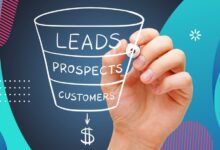
Leads are the fuel that powers the sales funnel. The funnel typically consists of three stages: top (awareness), middle (consideration), and bottom (decision). Leads enter at different points:
- Top of Funnel (TOFU): Cold leads discovering your brand for the first time through ads, blogs, or social media.
- Middle of Funnel (MOFU): Warm leads comparing solutions, downloading case studies, or attending demos.
- Bottom of Funnel (BOFU): Hot leads ready to make a purchase decision, often engaging in price negotiations or final consultations.
Effective lead management ensures smooth progression through each stage. According to Salesforce’s State of Sales Report, high-performing sales teams are 2.3x more likely to use a formal sales process that includes structured lead handling.
How to Generate Leads Effectively
Generating leads isn’t about casting a wide net—it’s about fishing in the right pond with the right bait. The most effective lead generation strategies combine targeted outreach, valuable content, and smart technology.
Content Marketing: Attracting Leads Organically
Content is one of the most powerful tools for attracting high-intent leads. By creating blog posts, videos, infographics, and guides that solve real problems, you position your brand as a trusted authority.
For example, a SaaS company offering project management software might publish a guide titled “10 Ways to Improve Team Productivity in 2024.” A visitor searching for productivity tips may land on the page, download a related checklist, and become a lead.
Key tactics include:
- Optimizing content for SEO to rank for buyer-intent keywords.
- Using lead magnets like free templates, tools, or assessments.
- Adding clear calls-to-action (CTAs) that prompt email signups or demo requests.
As Content Marketing Institute reports, content marketing generates three times as many leads as traditional outbound marketing, while costing 62% less.
Social Media and Paid Advertising
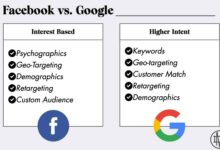
Social platforms like LinkedIn, Facebook, and Instagram offer powerful tools for lead generation. Paid ads can target specific demographics, interests, and behaviors, driving traffic to landing pages designed to capture leads.
LinkedIn, in particular, is a goldmine for B2B lead generation. Sponsored content and InMail campaigns can reach decision-makers directly. According to LinkedIn Marketing Solutions, LinkedIn generates 80% of B2B leads from social media.
Best practices for ad-based lead gen:
- Use lead forms pre-filled with user data to reduce friction.
- Target lookalike audiences based on existing customers.
- A/B test ad copy, visuals, and CTAs for maximum conversion.
Email Marketing and Lead Nurturing
Email remains one of the highest ROI channels for lead generation and nurturing. A well-segmented email list allows you to deliver personalized content that moves leads down the funnel.
For instance, a new subscriber might receive a welcome series introducing your brand, followed by educational content, case studies, and finally, a special offer.
Tools like Mailchimp, ActiveCampaign, and HubSpot enable automation, behavioral tracking, and performance analytics. According to Campaign Monitor, email marketing delivers an average ROI of $42 for every $1 spent.
Tools and Technologies to Capture Leads
Modern lead generation relies heavily on technology. From CRM systems to landing page builders, the right tools can automate, track, and optimize every stage of the lead lifecycle.
CRM Systems: Managing Leads at Scale
A Customer Relationship Management (CRM) system is essential for organizing and tracking leads. Platforms like Salesforce, HubSpot CRM, and Zoho CRM allow you to store lead data, log interactions, set follow-up tasks, and monitor conversion rates.
Key benefits of using a CRM:
- Centralized database for all lead information.
- Automated workflows for lead assignment and follow-up.
- Analytics dashboards to measure lead source performance.
According to Nucleus Research, businesses gain an average of $8.71 for every dollar spent on CRM software.
Landing Pages and Lead Capture Forms
Your landing page is often the first real interaction a potential lead has with your brand. It must be focused, persuasive, and optimized for conversion.
Best practices for high-converting landing pages:
- Clear, benefit-driven headlines (e.g., “Get Your Free SEO Audit in 60 Seconds”).
- Minimal distractions—no navigation menus or external links.
- Strong CTAs with action-oriented language (“Download Now,” “Start Free Trial”).
- Short, mobile-friendly forms that ask only for essential information.
Tools like Unbounce, Leadpages, and Instapage offer drag-and-drop builders and A/B testing features to maximize lead capture. As WordStream found, the average landing page conversion rate is 2.35%, but the top 25% convert at 5.31% or higher—proof that optimization matters.
Live Chat and Chatbots for Instant Engagement
Today’s buyers expect immediate responses. Live chat and AI-powered chatbots can engage visitors in real time, answer questions, and qualify leads 24/7.
For example, a visitor browsing pricing plans might trigger a chatbot that asks, “Need help choosing the right plan?” If the user responds positively, the bot can collect contact details and route the lead to a sales rep.
According to Zendesk, 67% of customers used a chatbot for support in 2023, and 74% said they’d use one again.
Lead Qualification: Separating Gold from Dust
Not every lead is worth pursuing. Wasting time on unqualified prospects drains resources and lowers sales efficiency. Lead qualification is the process of evaluating leads to determine their readiness and fit for your offering.
BANT Framework: Budget, Authority, Need, Timeline
One of the most widely used qualification models is BANT:
- Budget: Does the lead have the financial resources to purchase?
- Authority: Is the lead a decision-maker or influencer?
- Need: Does the lead have a clear pain point your product solves?
- Timeline: When does the lead plan to make a decision?
Sales teams use BANT to score leads and prioritize outreach. A lead with high need, budget, authority, and a short timeline is a prime candidate for immediate follow-up.
Lead Scoring Models
Lead scoring assigns numerical values to leads based on demographic and behavioral data. For example:
- +10 points for visiting the pricing page.
- +20 points for downloading a product brochure.
- +30 points for attending a live demo.
- -10 points if the lead works in an excluded industry.
Once a lead reaches a threshold (e.g., 70 points), they’re marked as sales-ready. This data-driven approach reduces guesswork and improves conversion rates. As Marketo notes, companies using lead scoring see a 77% increase in lead conversion rates.
Behavioral Signals That Indicate Readiness
Beyond formal frameworks, real-time behaviors can signal buying intent:
- Repeated visits to key pages (pricing, features, testimonials).
- Engagement with sales-focused content (demos, case studies).
- Direct inquiries via chat or contact forms.
- Long session durations and low bounce rates.
Tools like Google Analytics, Hotjar, and Drift can track these signals and trigger automated alerts for sales teams.
“The best leads aren’t just names on a list—they’re people with real problems your business can solve.”
Nurturing Leads: Turning Interest into Action
Only 25% of leads are ready to buy immediately. The rest need nurturing—consistent, value-driven communication that builds trust and keeps your brand top-of-mind.
Email Drip Campaigns
Drip campaigns are automated email sequences that deliver content based on time or behavior. For example:
- Day 1: Welcome email + onboarding tips.
- Day 3: Case study showing ROI.
- Day 7: Invitation to a live webinar.
- Day 14: Special offer or discount.
These campaigns keep leads engaged without overwhelming them. According to Constant Contact, drip emails get 119% higher click-through rates than standard newsletters.
Retargeting Ads and Personalization
Retargeting ads follow users who’ve visited your site but didn’t convert. By showing them relevant ads across the web, you stay visible and encourage return visits.
Personalization takes this further—showing different ads based on user behavior. For example, someone who viewed a pricing page might see an ad highlighting a limited-time discount.
Platforms like Google Ads and Facebook Ads offer robust retargeting options. Studies show retargeted visitors are 70% more likely to convert than new visitors.
Providing Value Through Education
Leads don’t want to be sold—they want to be helped. Educational content like webinars, tutorials, and comparison guides positions your brand as a trusted advisor.
For instance, a financial advisor might host a webinar titled “5 Retirement Mistakes You Can’t Afford to Make.” Attendees receive valuable insights while the advisor collects contact info and identifies high-potential leads.
As Edelman’s Trust Barometer shows, 81% of buyers say trust in a brand is a key factor in their purchase decision.
Measuring Lead Quality and Conversion Rates
Generating leads is only half the battle. To ensure sustainable growth, you must measure lead quality, track conversion rates, and optimize performance.
Key Metrics to Track
Monitor these critical KPIs to evaluate your lead generation efforts:
- Lead Conversion Rate: Percentage of leads that become customers.
- Cost Per Lead (CPL): Total spend divided by number of leads generated.
- Lead-to-Customer Ratio: How many leads it takes to close one sale.
- Time to Conversion: Average duration from lead capture to sale.
- Lead Source ROI: Which channels deliver the highest return.
Regular analysis helps identify what’s working and where to reallocate resources.
Using Analytics Tools for Insight
Tools like Google Analytics, HubSpot, and Salesforce provide deep insights into lead behavior. Set up conversion tracking to see which pages, campaigns, and keywords drive the most valuable leads.
For example, UTM parameters can tag URLs in email campaigns, letting you trace leads back to their source. Funnel visualization reports show where leads drop off, highlighting areas for improvement.
Optimizing the Lead Funnel
Funnel optimization is an ongoing process. Common strategies include:
- A/B testing landing page elements (headlines, CTAs, images).
- Improving form design to reduce friction.
- Shortening the sales cycle with faster follow-ups.
- Aligning marketing and sales teams on lead definitions and handoff processes.
Even small improvements compound over time. A 10% increase in conversion rate can double your leads without increasing traffic.
Common Mistakes in Lead Generation (And How to Avoid Them)
Even experienced marketers make mistakes that sabotage lead generation. Recognizing these pitfalls can save time, money, and missed opportunities.
Targeting the Wrong Audience
One of the biggest mistakes is casting too wide a net. Targeting everyone means resonating with no one. Without clear buyer personas, your messaging lacks relevance.
Solution: Develop detailed customer profiles based on demographics, pain points, goals, and behavior. Use these to guide content, ads, and outreach.
Ignoring Lead Follow-Up
According to MarketingDonut, 80% of sales require five follow-ups, yet 44% of salespeople give up after one attempt.
Solution: Implement automated follow-up sequences. Use CRM reminders and email drips to maintain consistent contact without manual effort.
Poor Lead Qualification
Chasing every lead wastes time. Without proper qualification, sales teams drown in unproductive meetings.
Solution: Establish clear criteria for SQLs. Train both marketing and sales teams on lead scoring and handoff protocols.
What are leads in marketing?
Leads are individuals or organizations that have shown interest in your product or service by taking an action, such as filling out a form or downloading content. They are potential customers in the early stages of the buying journey.
How can I generate more leads for my business?
You can generate more leads through content marketing, SEO, social media advertising, email campaigns, and lead magnets like free tools or guides. Focus on providing value and targeting the right audience.
What’s the difference between MQLs and SQLs?
Marketing Qualified Leads (MQLs) have engaged with your content but aren’t sales-ready. Sales Qualified Leads (SQLs) have been vetted and are ready for direct sales contact based on criteria like budget, need, and authority.
How do I improve lead conversion rates?
Improve conversion rates by nurturing leads with personalized emails, retargeting ads, and educational content. Also, optimize landing pages, follow up promptly, and use lead scoring to prioritize high-potential prospects.
What tools are best for managing leads?
Top tools include CRM platforms like HubSpot, Salesforce, and Zoho; landing page builders like Unbounce; and email automation tools like ActiveCampaign. These help capture, track, and nurture leads efficiently.
Leads are the foundation of growth. From understanding what leads are to generating, qualifying, and converting them, every step matters. By leveraging the right strategies, tools, and metrics, you can build a predictable pipeline of high-quality leads that drive revenue and long-term success. The key is consistency, value, and continuous optimization. Start applying these principles today, and watch your business grow.
Further Reading:
