Ever wondered what ‘leads meaning’ really is? It’s more than just potential customers—it’s the lifeblood of sales and marketing. Understanding this concept can transform your business strategy overnight.


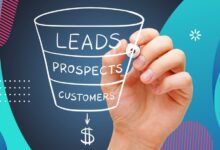
Leads Meaning: The Core Definition

At its heart, the term ‘leads meaning’ refers to individuals or organizations that have shown interest in your product or service. These are not yet customers, but they represent opportunities waiting to be nurtured. In marketing and sales ecosystems, a lead is the starting point of the customer journey.
What Exactly Is a Lead?
A lead is anyone who has provided contact information or engaged with your brand in a way that indicates interest. This could be filling out a form, subscribing to a newsletter, downloading a whitepaper, or requesting a demo. The key is intent: the person has taken an action that signals they might be open to further communication.
- Leads are not random contacts; they are prospects with demonstrated interest.
- They can come from various channels: social media, websites, events, or referrals.
- Not all leads are equal—some are more qualified than others.
“A lead is the first handshake between a business and a potential customer.” — MarketingProfs
Why Understanding Leads Meaning Matters
Grasping the true leads meaning is crucial because it shapes how companies allocate resources, design campaigns, and measure success. Without a clear definition, teams risk chasing unqualified prospects or missing high-potential opportunities.
- Clear definitions improve targeting and conversion rates.
- It aligns sales and marketing teams on common goals.
- It enables better tracking and ROI analysis.
For example, a B2B software company might define a lead as someone who downloads a product guide, while an e-commerce brand may consider a lead anyone who signs up for a discount code. Context matters.
Types of Leads Based on Leads Meaning
Not all leads are created equal. The leads meaning evolves depending on where the prospect is in the buyer’s journey. Recognizing different types helps businesses tailor their follow-up strategies effectively.
Marketing Qualified Leads (MQLs)
Marketing Qualified Leads (MQLs) are individuals who have engaged with marketing content and meet specific criteria set by the marketing team. These actions might include downloading a brochure, attending a webinar, or spending significant time on pricing pages.
- MQLs show interest but aren’t ready to buy yet.
- They require nurturing through email campaigns or retargeting ads.
- Criteria for MQLs vary by industry and business model.
According to HubSpot, companies that segment MQLs see up to 50% higher conversion rates. Learn more about MQLs here.
Sales Qualified Leads (SQLs)
Sales Qualified Leads (SQLs) are prospects who have been vetted by both marketing and sales teams and are deemed ready for direct sales outreach. These leads have expressed a clear intent to purchase, such as requesting a quote or scheduling a consultation.
- SQLs have passed the qualification threshold.
- They often have budget, authority, need, and timeline (BANT) aligned.
- Sales teams prioritize SQLs for immediate follow-up.
“Only 25% of leads are truly sales-ready. The rest need nurturing.” — Marketo
Product Qualified Leads (PQLs)
Product Qualified Leads (PQLs) are users who have experienced the product firsthand—often through a free trial or freemium model—and shown behaviors indicating purchase intent, like using key features or hitting usage limits.
- PQLs are common in SaaS and tech companies.
- Behavioral data drives PQL identification.
- They often convert faster than traditional leads.
Companies like Slack and Dropbox rely heavily on PQLs. Discover how Salesforce defines PQLs.
How Leads Are Generated: Channels and Strategies
Understanding the leads meaning also involves knowing how leads are acquired. Different channels yield different types and qualities of leads, and a diversified approach often delivers the best results.
Content Marketing and SEO
One of the most effective ways to generate high-quality leads is through content marketing. By creating valuable, informative content optimized for search engines, businesses attract organic traffic that converts into leads.
leads meaning – Leads meaning menjadi aspek penting yang dibahas di sini.
- Blogs, guides, and videos can capture attention and build trust.
- SEO-optimized content ranks higher on Google, increasing visibility.
- Content gated behind forms (e.g., eBooks) captures lead information.
For instance, a company offering CRM software might publish a guide titled “10 Ways to Improve Customer Retention” and require an email to download it. This simple tactic turns readers into leads.
Social Media and Paid Advertising
Social platforms like LinkedIn, Facebook, and Instagram offer powerful tools for lead generation. Paid ads can target specific demographics, interests, and behaviors, driving traffic to landing pages designed to capture leads.
- Lead ads on Facebook allow users to submit info without leaving the app.
- LinkedIn is ideal for B2B lead generation due to professional targeting.
- Retargeting ads re-engage visitors who didn’t convert initially.
LinkedIn Lead Gen Forms simplify the process by auto-filling user data, reducing friction.
Email Campaigns and Webinars
Email remains one of the highest ROI channels for lead nurturing. Strategic email sequences can guide leads from awareness to decision-making stages.
- Newsletters keep your brand top-of-mind.
- Drip campaigns automate follow-ups based on user behavior.
- Webinars offer deep value and collect attendee information.
A well-executed webinar can generate hundreds of leads. For example, a financial advisor hosting a session on retirement planning can collect registrations and follow up with personalized offers.
The Lead Qualification Process
Once leads are generated, the next step is qualification. This process determines which leads are worth pursuing and which should be nurtured further. Misqualification wastes time and resources.
BANT Framework: Budget, Authority, Need, Timeline
BANT is a classic sales qualification model used to assess whether a lead is ready to buy. Each component helps sales teams prioritize effectively.
- Budget: Does the lead have the financial capacity to purchase?
- Authority: Is the person a decision-maker or influencer?
- Need: Does the lead have a problem your product solves?
- Timeline: When do they plan to make a decision?
While BANT has been criticized for being too rigid, it remains a foundational tool. Modern adaptations include CHAMP (Challenges, Authority, Money, Prioritization) and MEDDIC (Metrics, Economic Buyer, Decision Criteria, Decision Process, Identify Pain, Champion).
Lead Scoring Models
Lead scoring assigns numerical values to leads based on their behavior and profile data. High scores indicate readiness to buy, while low scores suggest the need for nurturing.
- Demographic scoring considers job title, company size, industry.
- Behavioral scoring tracks website visits, email opens, content downloads.
- Thresholds trigger actions: e.g., score > 75 = notify sales team.
Tools like HubSpot’s Lead Scoring automate this process, improving efficiency and accuracy.
“Companies using lead scoring experience a 77% increase in lead conversion rates.” — Annuitas Group
Leads Meaning in Different Industries
The interpretation of leads meaning varies significantly across industries. What constitutes a lead in real estate differs from tech startups or healthcare providers.
B2B vs. B2C Leads
In B2B (Business-to-Business), leads are often organizations or decision-makers within companies. The sales cycle is longer, involving multiple stakeholders and higher-value contracts.
- B2B leads require relationship-building and detailed proposals.
- Lead nurturing can take weeks or months.
- Content is often technical and solution-focused.
In contrast, B2C (Business-to-Consumer) leads are individual buyers. The sales cycle is shorter, and emotional appeal plays a bigger role.
leads meaning – Leads meaning menjadi aspek penting yang dibahas di sini.
- B2C leads respond well to promotions and urgency.
- Conversion happens faster, often within days.
- Marketing focuses on lifestyle, benefits, and social proof.
Understanding these differences ensures that lead generation strategies are tailored appropriately.
Leads in Real Estate and Finance
In real estate, a lead might be someone searching for homes online, contacting an agent, or attending an open house. These leads are often time-sensitive—buyers want quick responses.
- Instant follow-up increases conversion chances.
- CRM tools help track property preferences and communication history.
- Referrals and local advertising are key sources.
In finance, leads could be individuals seeking loans, investment advice, or insurance. Compliance and trust are critical.
- Leads must be handled according to regulatory standards (e.g., GDPR, FINRA).
- Transparency and credibility are essential in communication.
- Educational content builds authority and generates qualified leads.
Common Mistakes in Handling Leads Meaning
Even with a solid understanding of leads meaning, businesses often make costly errors that reduce conversion rates and damage customer relationships.
Ignoring Lead Nurturing
One of the biggest mistakes is treating all leads as ready to buy. Many leads need time and information before making a decision. Skipping nurturing leads to missed opportunities.
- Over 80% of leads never convert without proper follow-up.
- Nurturing builds trust and keeps your brand visible.
- Automated email sequences can deliver value over time.
A study by Marketo found that nurtured leads make 47% larger purchases than non-nurtured ones.
Poor Follow-Up Timing
Timing is everything in lead conversion. Research shows that the odds of qualifying a lead drop by 10x if the follow-up takes more than 5 minutes.
- Immediate response (within 5 minutes) dramatically increases engagement.
- Delayed replies lead to lost interest and competitor conversions.
- Automation tools can send instant acknowledgments and alerts.
“The first to respond wins the lead 73% of the time.” — InsideSales.com
Misalignment Between Sales and Marketing
When sales and marketing teams don’t agree on what constitutes a qualified lead, friction occurs. Marketing may pass unqualified leads, and sales may ignore them, creating a breakdown in the funnel.
- Shared definitions and SLAs (Service Level Agreements) are essential.
- Regular meetings ensure alignment and feedback loops.
- CRM systems provide visibility into lead status and handoff points.
Companies with aligned teams achieve 36% higher customer retention and 38% higher sales win rates (Salesforce).
Technology and Tools for Managing Leads Meaning
Modern businesses rely on technology to capture, track, and convert leads efficiently. From CRMs to automation platforms, the right tools can make or break a lead strategy.
Customer Relationship Management (CRM) Systems
CRMs are the backbone of lead management. They store contact information, track interactions, and help teams manage relationships throughout the sales cycle.
- Popular CRMs include Salesforce, HubSpot, and Zoho.
- They integrate with email, phone, and marketing tools.
- Automation features reduce manual data entry and improve follow-up speed.
Salesforce Sales Cloud offers robust lead tracking and analytics for enterprise teams.
Marketing Automation Platforms
Marketing automation tools help nurture leads at scale. They deliver personalized content based on user behavior, segment audiences, and trigger actions automatically.
leads meaning – Leads meaning menjadi aspek penting yang dibahas di sini.
- Examples: Marketo, Pardot, ActiveCampaign.
- They support drip campaigns, lead scoring, and A/B testing.
- Integration with CRMs ensures seamless handoffs.
These platforms reduce workload while increasing engagement and conversion rates.
Lead Capture and Form Tools
Effective lead capture starts with well-designed forms and landing pages. Tools like Typeform, JotForm, and Unbounce make it easy to create high-converting lead magnets.
- Short forms increase completion rates.
- Smart fields and conditional logic improve user experience.
- A/B testing helps optimize form design and placement.
For example, placing a lead capture form in a website popup can boost conversions by up to 130% (Sumo).
What is the basic leads meaning?
The basic leads meaning refers to individuals or entities that have shown interest in a product or service and provided contact information, making them potential customers worthy of follow-up.
What’s the difference between MQL and SQL?
A Marketing Qualified Lead (MQL) has engaged with marketing content but isn’t ready to buy, while a Sales Qualified Lead (SQL) has been vetted and is prepared for direct sales engagement.
How can I generate more leads?
You can generate more leads through content marketing, SEO, social media advertising, email campaigns, webinars, and optimized landing pages with clear calls to action.
Why is lead nurturing important?
Lead nurturing builds trust, educates prospects, and keeps your brand top-of-mind, increasing the likelihood of conversion when the lead is ready to buy.
What tools help manage leads effectively?
CRM systems (e.g., Salesforce, HubSpot), marketing automation platforms (e.g., Marketo, Pardot), and lead capture tools (e.g., Typeform, Unbounce) are essential for managing leads efficiently.
leads meaning – Leads meaning menjadi aspek penting yang dibahas di sini.
Understanding the true leads meaning is not just about defining a term—it’s about unlocking growth. From identifying different types of leads to leveraging technology and avoiding common pitfalls, every aspect impacts your bottom line. Whether you’re in B2B, B2C, real estate, or tech, a strategic approach to leads can transform your business. Focus on quality, nurture relationships, and align your teams. The result? Higher conversions, stronger customer loyalty, and sustainable success.
Further Reading:
