Want to dominate your market? Mastering leads online is the ultimate game-changer. Discover how to generate high-quality leads consistently and turn them into loyal customers.


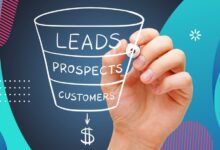
What Are Leads Online and Why They Matter

Understanding the concept of leads online is the first step toward building a sustainable digital business. A lead, in the context of digital marketing, refers to an individual or organization that has shown interest in your product or service. This interest can be demonstrated in various ways—filling out a contact form, subscribing to a newsletter, downloading a free guide, or engaging with your content.
Defining Leads Online
Leads online are potential customers who interact with your brand through digital channels. Unlike traditional leads generated via cold calls or print ads, online leads are typically self-identified—they raise their hands by taking a specific action on your website or social media platform. This makes them warmer and more likely to convert.
- Leads are captured through digital touchpoints like landing pages, chatbots, or social media ads.
- They represent early-stage relationships that can be nurtured into sales.
- Quality matters more than quantity—targeted leads yield higher conversion rates.
“A lead is not just a name and email—it’s a conversation waiting to happen.” — Neil Patel, Digital Marketing Expert
Types of Online Leads
Not all leads are created equal. Recognizing the different types helps you tailor your follow-up strategy. The main categories include:
- Information Qualified Leads (IQLs): These users seek information, such as downloading an eBook or watching a webinar. They’re in the awareness stage.
- Marketing Qualified Leads (MQLs): They’ve engaged multiple times—visited pricing pages, clicked on emails, or attended demos. They’re closer to a purchase decision.
- Sales Qualified Leads (SQLs): These leads have been vetted by sales and are ready for a direct pitch.
Understanding these distinctions allows you to create targeted nurturing sequences. For example, IQLs benefit from educational content, while SQLs need personalized offers and urgency.
Why Generating Leads Online Is Crucial for Business Growth
In today’s hyper-connected world, leads online are the lifeblood of any scalable business. Whether you’re a startup or an established brand, your ability to attract and convert digital leads directly impacts revenue, market share, and long-term sustainability.
Cost-Effectiveness Compared to Traditional Methods
Traditional lead generation methods—like print ads, TV commercials, or door-to-door sales—are not only expensive but also harder to track. In contrast, digital lead generation offers measurable ROI. Tools like Google Analytics and Facebook Pixel allow you to see exactly which campaigns are working.
- Digital ads can be optimized in real-time based on performance.
- Automation tools reduce labor costs in lead follow-up.
- Pay-per-click (PPC) models ensure you only pay for actual engagement.
According to a study by HubSpot, companies that prioritize lead generation see a 133% higher year-over-year growth in revenue compared to those that don’t (HubSpot Research).
Scalability and Global Reach
One of the biggest advantages of generating leads online is scalability. A well-optimized landing page can capture leads 24/7, regardless of your location. Unlike physical storefronts limited by geography, your digital presence can reach audiences across continents.
- Use SEO to rank for keywords like ‘leads online’ and attract organic traffic.
- Leverage social media platforms to engage niche communities worldwide.
- Automate email sequences to nurture leads even while you sleep.
This global scalability is especially beneficial for SaaS companies, e-commerce stores, and service providers looking to expand beyond local markets.
Top 7 Strategies to Generate High-Quality Leads Online
Now that we understand the importance of leads online, let’s dive into actionable strategies that deliver real results. These methods are proven, data-backed, and adaptable to various industries.
1. Optimize Your Website for Lead Capture
Your website is your digital storefront. If it’s not designed to convert visitors into leads online, you’re leaving money on the table. Start by auditing your site’s user experience (UX) and conversion rate optimization (CRO).
- Place clear call-to-action (CTA) buttons above the fold.
- Use exit-intent popups to capture abandoning visitors.
- Implement live chat to answer questions in real-time.
Tools like Hotjar can help you visualize user behavior and identify friction points. A/B testing different CTA texts or form lengths can boost conversions by up to 30%.
2. Create High-Value Lead Magnets
A lead magnet is a free resource offered in exchange for contact information. The key is to provide immense value that aligns with your audience’s pain points.
- E-books and whitepapers for B2B audiences.
- Cheat sheets, templates, or checklists for DIY enthusiasts.
- Free trials or demos for software companies.
For example, a digital marketing agency might offer a “10-Step SEO Audit Checklist” in exchange for an email address. This not only captures leads online but also positions the brand as an authority.
3. Leverage Content Marketing and SEO
Content is still king when it comes to generating leads online. By creating valuable, keyword-optimized content, you attract organic traffic that’s already searching for solutions you offer.
- Write blog posts targeting long-tail keywords like “how to generate leads online for small business”.
- Optimize meta titles, descriptions, and headers for search engines.
- Include internal links to guide readers toward conversion pages.
According to Backlinko, pages ranking in the top 3 Google results get over 60% of all clicks (Backlinko Study). This makes SEO a non-negotiable part of your lead strategy.
Using Paid Advertising to Accelerate Leads Online
While organic methods are effective, they often take time. Paid advertising allows you to jumpstart your lead generation efforts with immediate visibility.
Facebook and Instagram Ads
Social media ads are powerful because they allow hyper-targeting based on demographics, interests, and behaviors. Facebook’s ad platform, for instance, lets you create custom audiences from website visitors or email lists.
- Use lead ads to collect information without redirecting users.
- Target lookalike audiences to reach people similar to your existing customers.
- Run retargeting campaigns to re-engage cold leads.
A well-crafted Facebook ad campaign can generate hundreds of leads online in just a few days. The key is testing different creatives, copy, and audience segments.
Google Ads for High-Intent Leads
Google Ads targets users actively searching for solutions. These are high-intent leads—people who are closer to making a purchase decision.
- Bid on keywords like “best CRM for leads online” or “how to capture leads”.
- Use ad extensions to increase visibility (call, location, sitelink).
- Direct traffic to dedicated landing pages with strong CTAs.
According to WordStream, the average click-through rate (CTR) for Google Search ads is 3.17%, significantly higher than display ads. This makes it a top choice for performance-driven marketers.
Building Trust to Convert Leads Online into Customers
Generating leads online is only half the battle. The real challenge lies in converting those leads into paying customers. Trust is the bridge between interest and action.
Social Proof and Testimonials
People trust other people more than brands. Showcasing customer reviews, case studies, and testimonials builds credibility.
- Feature video testimonials on your homepage.
- Display trust badges (e.g., SSL secure, BBB accredited).
- Highlight media mentions or industry awards.
A BrightLocal survey found that 87% of consumers read online reviews for local businesses—proof that social proof influences decisions.
Transparency in Communication
Be upfront about pricing, processes, and expectations. Hidden fees or vague promises erode trust.
- Offer clear pricing pages with no hidden costs.
- Provide detailed FAQs to address common concerns.
- Use chatbots to answer questions instantly.
Transparency reduces friction in the buyer’s journey and increases conversion rates.
Automating Lead Nurturing for Maximum Efficiency
Not all leads are ready to buy immediately. Automation allows you to stay top-of-mind and guide leads through the sales funnel without manual effort.
Email Drip Campaigns
Email remains one of the most effective channels for nurturing leads online. A well-structured drip campaign delivers the right message at the right time.
- Day 1: Welcome email with your lead magnet.
- Day 3: Share a success story or case study.
- Day 7: Offer a limited-time discount or consultation.
According to Campaign Monitor, segmented email campaigns drive 30% more opens and 50% more clicks than generic ones.
CRM Integration and Lead Scoring
Customer Relationship Management (CRM) tools like HubSpot or Salesforce help you track lead behavior and prioritize follow-ups.
- Assign scores based on actions (e.g., +10 for visiting pricing page, +20 for downloading a demo).
- Automatically route high-scoring leads to sales reps.
- Tag leads by interest (e.g., SEO, PPC, social media).
This ensures your sales team focuses on the hottest leads, improving close rates.
Measuring Success: Key Metrics for Leads Online
You can’t improve what you don’t measure. Tracking the right KPIs helps you refine your strategy and maximize ROI.
Conversion Rate
This measures the percentage of visitors who become leads. If 1,000 people visit your landing page and 100 submit their info, your conversion rate is 10%.
- Aim for at least 5–10% on lead capture pages.
- Improve it by simplifying forms or enhancing value propositions.
Use tools like Google Optimize to run A/B tests and boost performance.
Cost Per Lead (CPL)
CPL tells you how much you’re spending to acquire each lead. It’s calculated by dividing total ad spend by the number of leads generated.
- If you spend $1,000 on Facebook ads and get 200 leads, your CPL is $5.
- Compare CPL across channels to allocate budget efficiently.
Lower CPL doesn’t always mean better—quality matters. A $10 lead that converts is better than a $2 lead that doesn’t.
Lead-to-Customer Conversion Rate
This metric shows how many leads actually become paying customers. If 100 leads result in 10 sales, your rate is 10%.
- Improve it by refining your sales process and follow-up timing.
- Use personalized outreach based on lead behavior.
According to Salesforce, companies with strong lead nurturing programs see a 45% increase in sales-ready leads.
What are leads online?
Leads online are individuals or businesses who express interest in your product or service through digital channels, such as filling out a form, subscribing to a newsletter, or downloading a resource.
How can I generate leads online for free?
You can generate leads online for free by creating valuable content (blogs, videos), optimizing for SEO, leveraging social media, offering free tools or guides, and building an email list through opt-in forms.
What’s the best tool for capturing leads online?
Popular tools include HubSpot, Leadpages, Mailchimp, and ConvertKit. The best choice depends on your budget, technical skills, and integration needs.
How do I convert leads online into sales?
Nurture leads with email sequences, provide social proof, offer consultations, and use retargeting ads. Personalization and timely follow-up significantly increase conversion rates.
Is it better to focus on quantity or quality of leads online?
Quality trumps quantity. A few highly targeted leads are more valuable than thousands of unqualified ones. Focus on attracting the right audience for better ROI.
Generating leads online is no longer optional—it’s essential for survival and growth in the digital economy. From optimizing your website and creating compelling lead magnets to leveraging paid ads and automating follow-ups, every strategy plays a role in building a robust pipeline. The key is consistency, measurement, and continuous improvement. By focusing on high-intent channels, nurturing trust, and tracking performance, you can turn casual visitors into loyal customers. Start implementing these proven tactics today and watch your business scale like never before.
Further Reading:
